
Preparation
The week before: preparation that earns its keep
There is a large amount of advice about preparing a car for a show and very little about which parts of it make any difference.
Published 9 June 2026 · Updated 13 October 2026
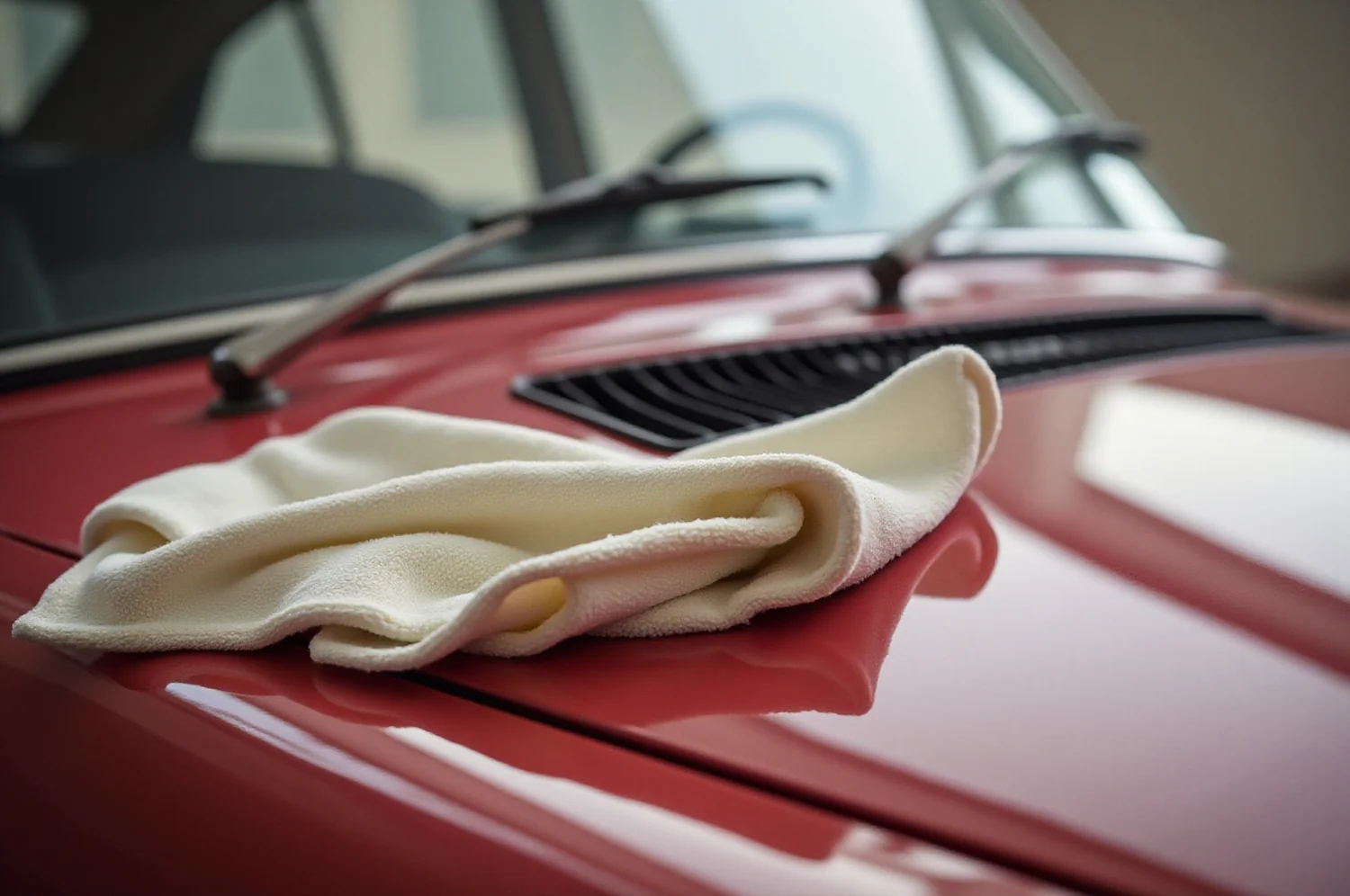
Start with what will be looked at
People at a show look into an engine bay, into the cabin, and along the flanks from about three metres. They very rarely look underneath, and almost never at the parts of the car that are hardest to clean.
That is not an argument for neglect. It is an argument for spending the limited time you have on the areas that are actually seen, and doing those properly rather than doing everything to a rushed standard.
If the day before is the only day available, the flanks, the glass and the wheels will do more than anything else.
The order that saves work
Wheels and arches first, because they are the dirtiest and everything from them lands on what you have already cleaned. Then the body, then glass, then the interior, then the engine bay.
Doing it in the other direction is how people end up cleaning the same panel twice.
Leave the engine bay until last and do it dry where possible; water in the wrong place before a long drive is a familiar way to spend a morning.

Cleaning an engine bay without regretting it
Old engine bays contain a great many things that do not like being soaked: distributors, coils, exposed connectors and, on some cars, fuse boxes with no seal worth the name.
Brushes, cloth and patience are slower and safer than a hose. Where degreaser is used, it is worth knowing what is underneath before it runs there.
Anything that is disconnected to make cleaning easier should be reconnected the same evening, not on the morning of the event.
Documentation is part of the presentation
At judged events the car's history is often part of what is assessed, and even at display days people ask. A folder that can be handed over is worth more than a story.
What goes in it: ownership history if you have it, significant invoices, anything that dates the car's major work, and photographs of the car during any restoration.
What does not: everything else. A folder that has to be searched in front of someone is worse than a thin one.
The mechanical checks that matter for a show day
Not a service. A short list of the things that spoil a day: tyre pressures and condition including the spare, brake and clutch fluid level, coolant, a battery that will still start the car after eight hours parked in the sun with a radio on.
Lights, because a summer event can finish later than planned and the drive home is the part nobody rehearses.
And whatever your car's own known weakness is. Every owner has one, and it is always the thing that goes.
What to take
Water, shade, a folding chair, and something to put under the car if the ground is soft. A drip tray is a courtesy at indoor events and a requirement at some.
Basic tools and the specific spare your car needs — most owners know exactly what that is.
Cloths, because a car that has been driven to an event arrives with a different front end than it left with.
What not to do the night before
Anything mechanical that has not been done before. The evening before an event is the worst possible time to discover that a job takes longer than expected.
New products on paint, untested. A polish that reacts badly cannot be undone by morning.
And do not stay up until two. A tired owner on a hot field is the actual risk of a show day, more than anything that happens to the car.
General guidance only. Anything touching cover, roadworthiness or the conditions of a particular event belongs with your insurer, the tester or the organiser.