
Winter
Indoor and winter events, which are run to different rules
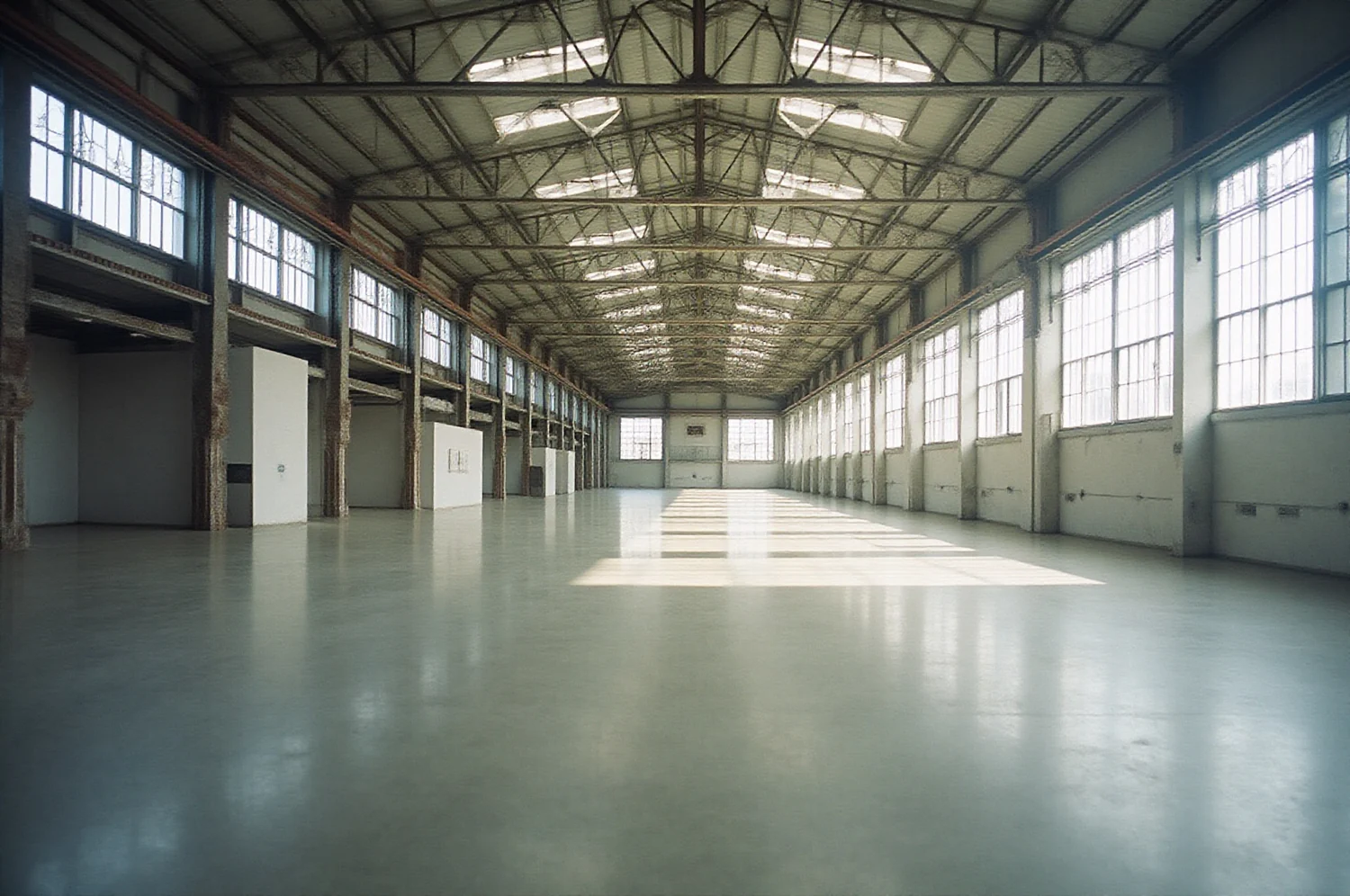
An indoor exhibition is not a field show under a roof. The conditions attached to it are stricter, and most of them exist because of the building rather than the cars.
Published 4 August 2026 · Updated 13 October 2026
Why indoor rules are stricter
A building has a fire certificate, an insurer and a capacity, and a hall full of vehicles containing petrol is exactly the situation those documents are written about.
Almost every condition that surprises owners at an indoor event traces back to one of those three. They are not the organiser's preferences and the organiser usually cannot waive them.
Understanding that makes the conditions much easier to plan around, because they are predictable.
Fuel and batteries
Most indoor venues cap the fuel in the tank — a quarter is a common figure, and some ask for less. Some require the battery to be disconnected once the car is in position, and a few ask for a terminal cover.
This is worth reading before you plan the journey, because arriving with a full tank at a venue that wants a quarter is a problem with no good solution on site.
If the battery is to be disconnected, know what your car forgets when it is: clocks, radio codes, and on later cars a good deal more.

Move-in and move-out windows
Indoor events run to a schedule set by the venue, not by daylight. Move-in is often the evening before, in a slot, with a marshal directing.
Move-out is frequently the strictest part of the whole event and can run late. An owner who has to be somewhere that evening should check this before entering rather than after.
Cars are usually pushed into final position rather than driven, which is worth knowing if yours is heavy or the steering is unassisted.
Floors, trays and mats
Polished or sealed floors mark easily, and venues charge for it. Drip trays are commonly required and sometimes supplied; mats and carpet squares are usually the owner's own.
A car that does not leak at home may still leave a mark after eight hours in a warm hall. Trays are cheap insurance against an awkward conversation.
Tyres can mark light floors too, which is why some venues specify boards under the wheels.
Lighting, and what it does to a car
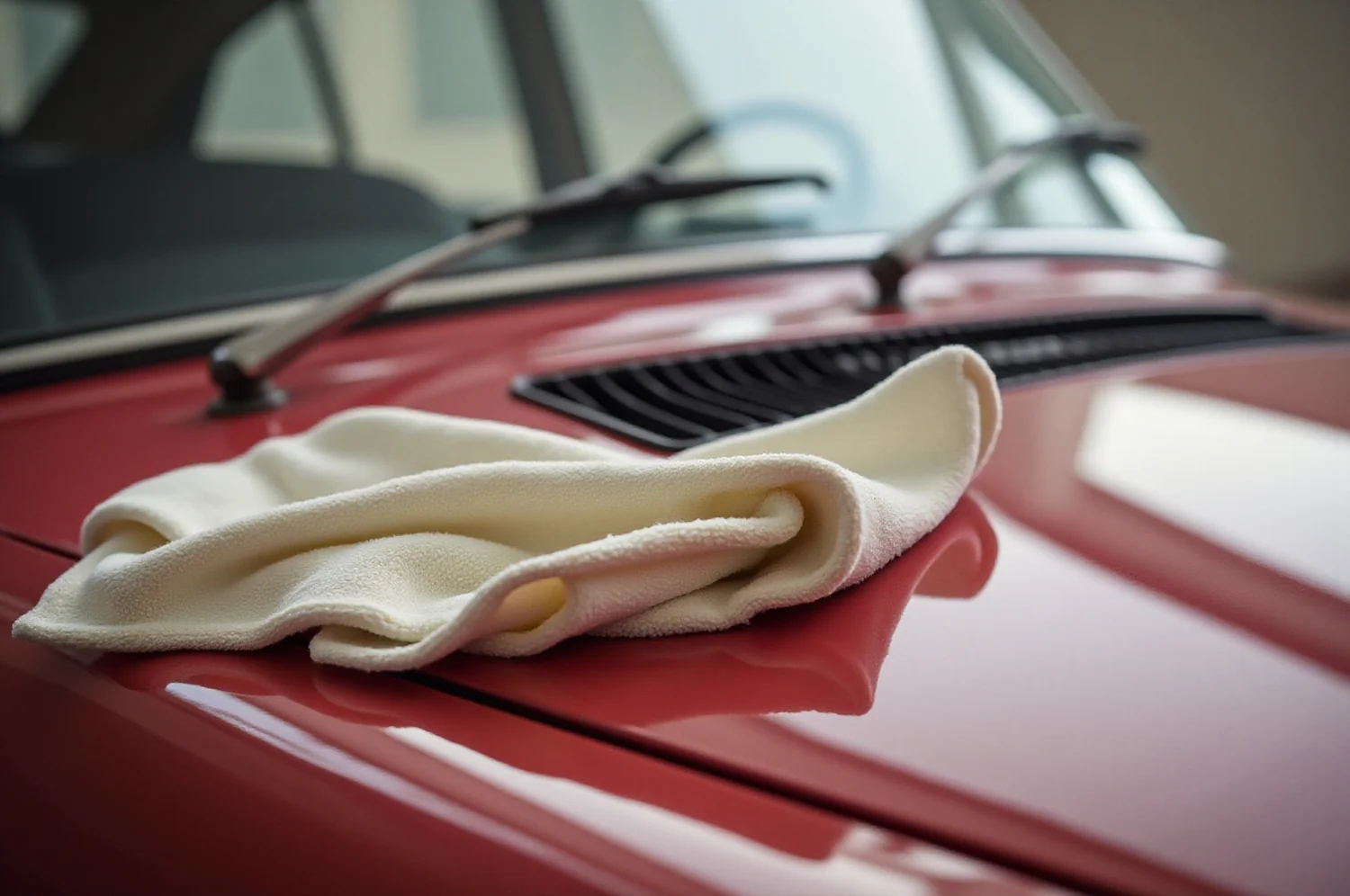
Indoor lighting is unforgiving in a way daylight is not. Overhead lamps at close range show every flaw in a flat panel and every mismatch in a repaint.
This is not a reason to stay away. It is a reason to look at the car under similar light beforehand, so that nothing about how it appears on the stand is a surprise.
It also changes what preparation is worth doing: swirl marks that are invisible outdoors are extremely visible under a hall's lighting.
The long day
Indoor shows tend to run longer hours than field events and are usually warmer than expected. Owners stand on hard floors for eight hours or more.
A chair, water and something between you and the concrete make more difference than anything else you can bring.
Working out in advance who is watching the car while you are away from it is the other thing worth agreeing before the doors open.
What indoor events are good for
Weather that cannot spoil the day, light that is the same at nine in the morning and four in the afternoon, and visitors who came deliberately rather than passed by.
They are also the events where conversations happen, because nobody is watching the sky.
For a car that is not comfortable in traffic or heat, an indoor winter event is often the easier outing of the year.
General guidance only. Anything touching cover, roadworthiness or the conditions of a particular event belongs with your insurer, the tester or the organiser.